Introduction: The Rise of Fake Reviews in 2025
In 2025, fake reviews have evolved into one of the biggest challenges in the digital marketplace. From AI-generated testimonials to bot-driven comment floods, deceptive reviews can easily influence buying decisions and damage brand credibility.
According to Bountify’s blog on review authenticity, more than 40% of online consumers check reviews before making a purchase — meaning one fake review can shift entire perceptions. Hence, learning how to spot and stop fake reviews is crucial for any business that values trust and transparency.
Why Fake Reviews Are Growing Rapidly in 2025
The boom of AI-driven automation has made it easier than ever to generate realistic reviews. Platforms like ChatGPT or similar text-generation tools can produce hundreds of unique-looking reviews in minutes.
AI Tools and Automated Review Farms
AI bots can now write emotionally engaging content, use natural tone variation, and even simulate regional slang. As a result, distinguishing between real and fake feedback requires a combination of data analysis and behavioral tracking.
Example: Many fake review networks operate by using rotating IP addresses and identity masks, making it difficult to track authenticity through traditional moderation tools.
The Real-World Impact of Fake Reviews
Fake reviews do more than just mislead customers — they can destroy a business’s online reputation and violate platform policies.
Damaged Brand Credibility
Once users sense manipulation, they lose trust permanently. Research shows that 88% of consumers won’t return to a brand if they suspect review fraud.
Legal and Ethical Consequences
Regulatory bodies like the FTC and EU Commission are tightening their policies against fake endorsements. Businesses caught faking reviews may face heavy fines or public blacklisting.
Internal Reference: You can read our related post — Top 5 Mistakes Businesses Make with Google Reviews — And How to Fix Them — to understand how genuine reputation management can safeguard your credibility.
How to Spot Fake Reviews in 2025
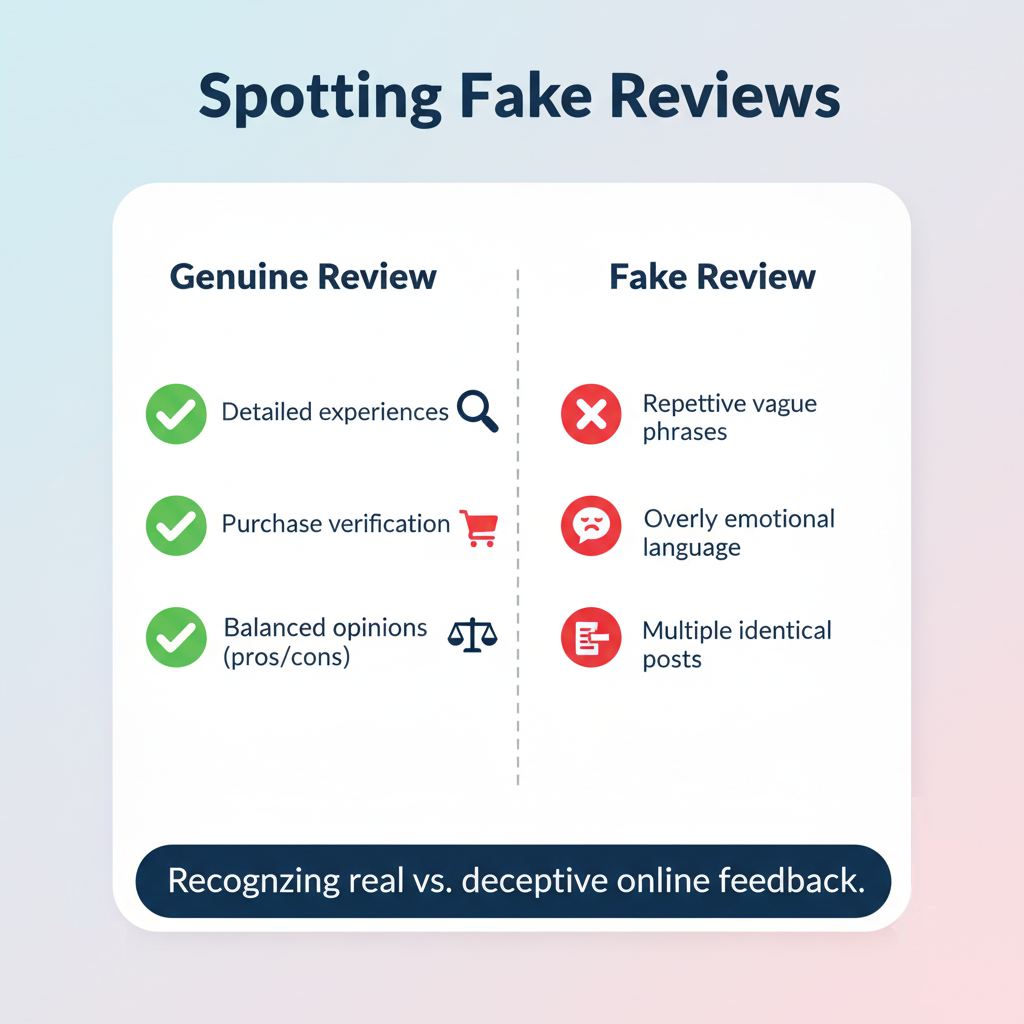
Identifying fake reviews requires both human intuition and AI-powered analytics. Here are the top signals to watch for:
Repetitive or Over-Optimized Language
Fake reviews often reuse the same adjectives like “amazing,” “perfect,” or “best ever” — across multiple accounts.
Timing Patterns
A sudden surge of positive reviews within hours can be a red flag. Genuine reviews usually come gradually.
Lack of Specificity
Authentic reviews describe real experiences (“The checkout page loaded slowly”), while fake ones remain vague (“Excellent service!”).
Suspicious Reviewer Profiles
Reviewers who comment on unrelated industries or use stock photos are likely not genuine users.
💡 Pro Tip: Use tools like Google Business Profile Insights or ReviewTrackers to analyze user behavior and detect anomalies.
How to Stop Fake Reviews — Proven Strategies for 2025
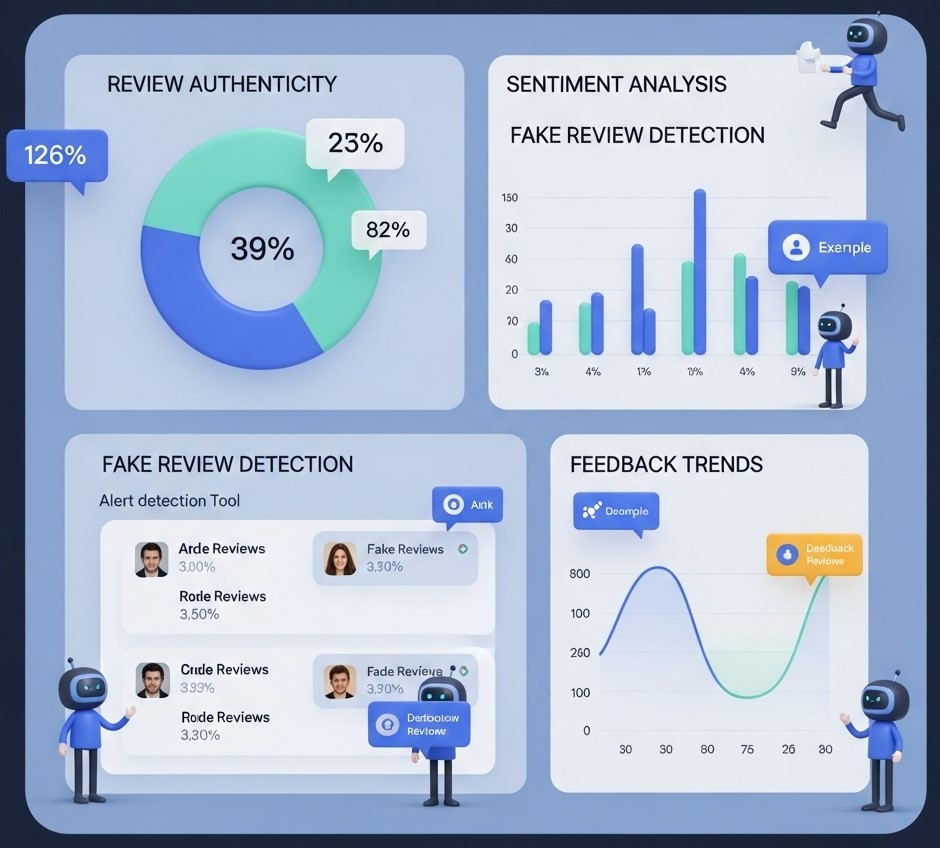
Stopping fake reviews isn’t just about reporting them — it’s about building a trustworthy system.
1. Strengthen Verification Mechanisms
Implement verified purchase tags and one-review-per-account policies to prevent multiple fake submissions.
2. Monitor Review Velocity
Keep track of sudden spikes using automated tools. Google’s Review Management Dashboard can alert you to unusual trends.
3. Use AI-Based Review Authenticity Tools
Platforms like Fakespot or Bountify Review Monitor analyze tone, language, and metadata to flag suspicious feedback early.
4. Encourage Genuine User Engagement
Request real customers to leave feedback through email or post-purchase reminders — genuine reviews will eventually outweigh the fake ones.
Explore How AI and ML Are Transforming Modern Business Operations to see how machine learning enhances fraud detection.
The Future of Review Authenticity
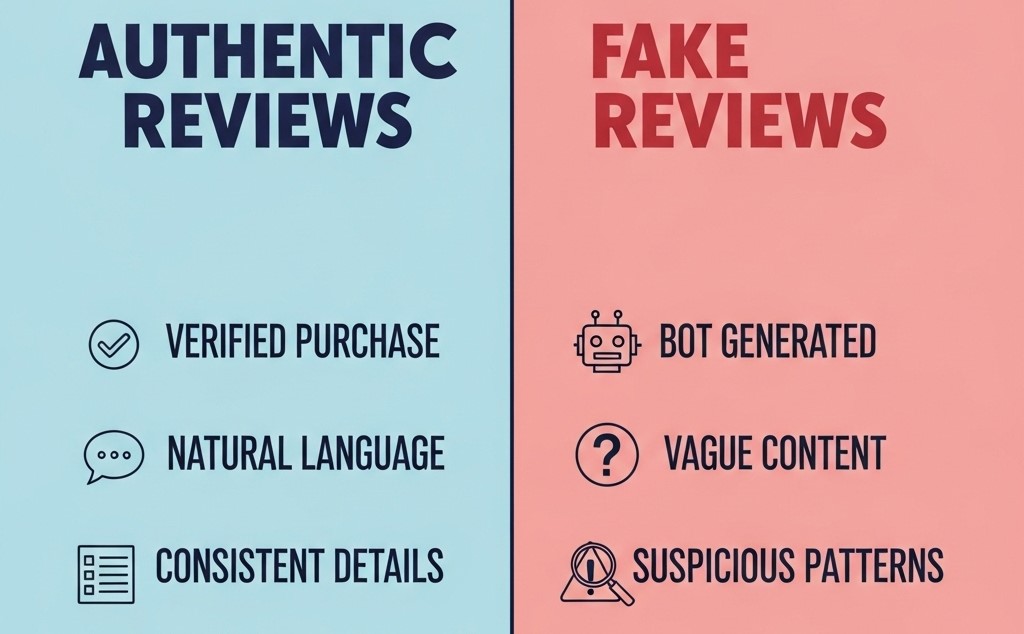
By 2025 and beyond, fake reviews will become harder to detect as AI evolves. But fortunately, AI will also be our greatest defense.
Emerging tools now evaluate sentiment coherence, metadata fingerprints, and reviewer behavior across multiple platforms. The future of online authenticity lies in transparent systems — where blockchain-verified reviews or digital signatures could guarantee legitimacy.
Google’s official guide on fake content policies provides updated information on how fake reviews are flagged and removed.
Why Businesses Must Act Now
The longer a fake review stays online, the greater its impact. Businesses must adopt proactive monitoring and train teams to identify fake engagement signals early.
Ignoring the issue not only risks brand reputation but also affects SEO rankings, as search engines prioritize genuine feedback for visibility and trustworthiness.
Conclusion: Authenticity Wins Every Time
In 2025, fighting fake reviews is not just a marketing challenge — it’s a moral and strategic responsibility. Customers value transparency, and brands that uphold integrity in their feedback channels gain long-term loyalty.
👉 Stay informed, use smart detection tools, and follow genuine engagement practices to keep your online reputation real and reliable.